Current Issues and Major Developments in the Philippines (May 9, 2026)

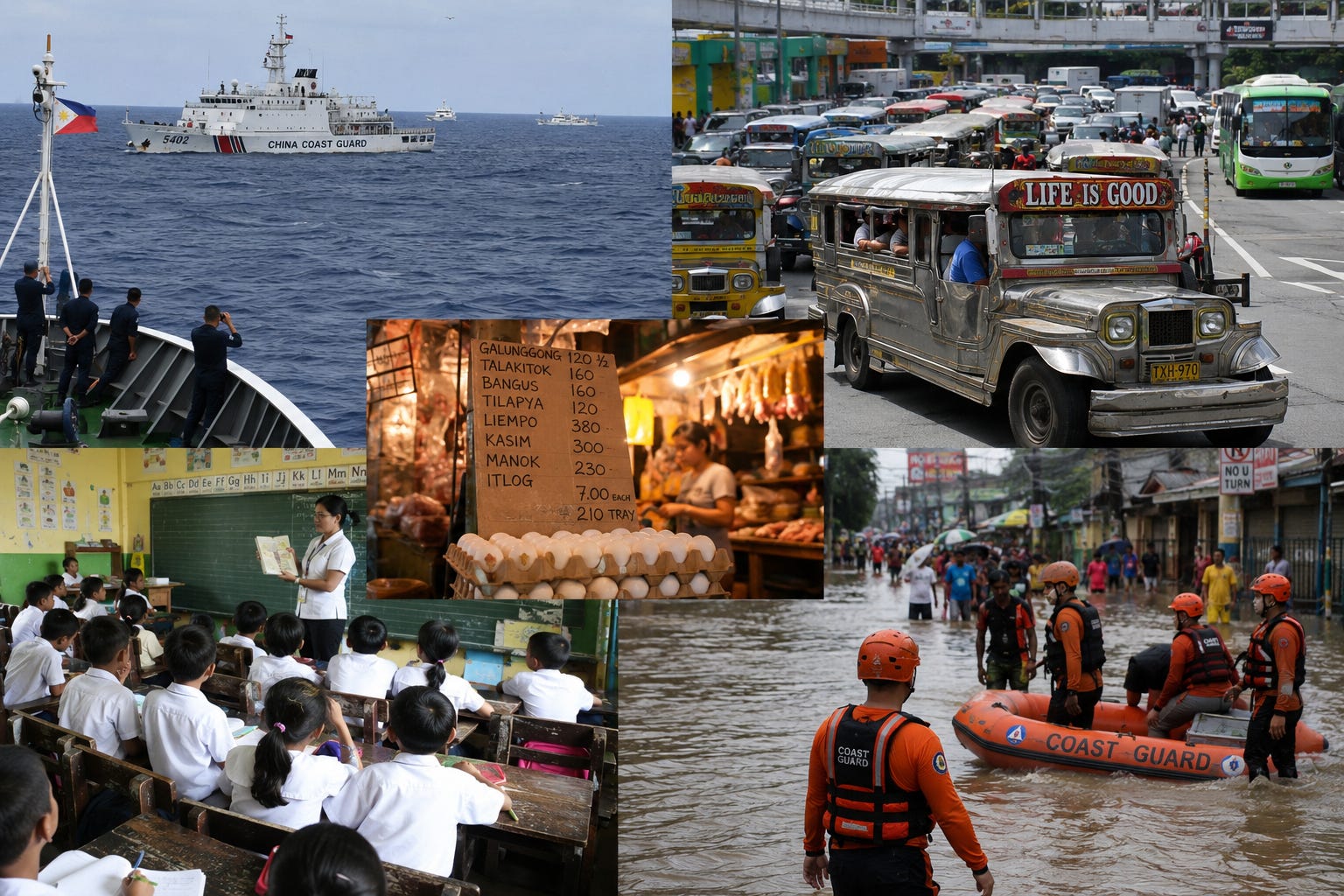
Rising Tensions in the West Philippine Sea
The West Philippine Sea remains one of the most important and sensitive national issues in the Philippines today. Over the past several years, tensions between the Philippines and China have continued to grow due to territorial disputes, military activities, and increasing maritime confrontations in contested waters. In 2026, the issue has become even more significant because of repeated sightings of Chinese vessels near Philippine-controlled areas, growing international involvement, and stronger defense cooperation between the Philippines and allied nations.
The West Philippine Sea refers to the portions of the South China Sea that fall within the Philippines’ Exclusive Economic Zone (EEZ). This area is important because it contains valuable fishing grounds, rich marine biodiversity, and potential oil and gas reserves that are critical for the country’s energy and food security.
Increasing Presence of Chinese Vessels
The Armed Forces of the Philippines (AFP) and the Philippine Coast Guard (PCG) recently reported the continued presence of Chinese Coast Guard ships and maritime militia vessels near disputed areas such as Ayungin Shoal, Scarborough Shoal, and the Spratly Islands. Philippine authorities have repeatedly accused Chinese vessels of dangerous maneuvers, water cannon incidents, and harassment of Filipino fishermen and resupply missions.
These incidents have alarmed many Filipinos because they directly affect national sovereignty and the safety of local fishermen who rely on these waters for their livelihood. Many fishermen have reported being forced to leave fishing areas due to intimidation and aggressive patrols.
Strengthening Defense Alliances
In response to growing tensions, the Philippine government has expanded military cooperation with allied countries including the United States, Japan, Australia, and Canada. Joint military exercises such as Balikatan have become larger and more advanced, focusing on maritime defense, disaster response, and territorial security.
The Philippines has also granted additional access to military bases under the Enhanced Defense Cooperation Agreement (EDCA) with the United States. These developments are intended to improve the country’s defense capabilities and strengthen deterrence against potential threats.
At the same time, China has criticized these partnerships, claiming they increase regional instability. Philippine officials, however, argue that stronger alliances are necessary to protect national interests and maintain peace in the region.
Impact on the Filipino People
The dispute affects ordinary Filipinos in many ways. Fishermen face reduced access to traditional fishing grounds, while concerns over national security continue to influence public opinion and political discussions. Rising geopolitical tensions may also affect trade, tourism, and foreign investments.
Many Filipinos strongly support diplomatic solutions but also believe the government must continue asserting the country’s sovereign rights under international law, particularly the 2016 Hague ruling that invalidated many of China’s territorial claims.
The West Philippine Sea issue remains one of the defining challenges facing the Philippines today. As tensions continue, the country must balance diplomacy, national security, economic interests, and regional cooperation. The decisions made by Philippine leaders in the coming years could significantly shape the country’s future security and international relationships.
Inflation and the Rising Cost of Living in the Philippines
One of the biggest concerns among Filipino families in 2026 is the continuing rise in the cost of living. Inflation, which refers to the increase in prices of goods and services over time, continues to affect millions of households across the country. Essential expenses such as food, transportation, fuel, electricity, and rent have become more expensive, placing financial pressure on both low-income and middle-class families.
Although the Philippine economy continues to grow, many Filipinos feel that wages are not increasing fast enough to keep up with daily expenses. This has led to growing concerns about poverty, unemployment, and the ability of ordinary citizens to maintain a decent quality of life.
Main Causes of Inflation
Several factors are contributing to rising prices in the Philippines. One major factor is the increase in global fuel prices caused by geopolitical tensions and instability in the Middle East. Since the Philippines imports much of its oil supply, increases in global oil prices immediately affect transportation fares, electricity costs, and the prices of goods delivered across the country.
Food inflation is also a major issue. Prices of rice, vegetables, meat, and other basic commodities have fluctuated due to supply shortages, bad weather, transportation costs, and import challenges. Farmers continue to face difficulties caused by typhoons, flooding, and rising agricultural expenses.
Another contributing factor is the weakening purchasing power of the peso, which affects imported products and raw materials.
Effects on Filipino Families
The effects of inflation are most strongly felt by ordinary Filipinos. Families are being forced to reduce spending, buy fewer groceries, and prioritize essential needs over leisure or savings. Many workers are also taking on extra jobs or side businesses to cope with rising expenses.
Transportation costs have become particularly difficult for commuters. Jeepney fare increases, higher gasoline prices, and rising utility bills have added to the financial burden faced by workers and students.
Many small businesses are also struggling because operational costs have increased while consumers are spending less. Restaurants, transportation services, and small retail shops have all experienced reduced profits.
Government Response
The Philippine government has introduced several measures to control inflation, including fuel subsidies for transport workers, support for local farmers, and efforts to stabilize rice supply through imports and agricultural programs.
The Bangko Sentral ng Pilipinas (BSP) has also adjusted interest rates in an effort to control inflation and stabilize the economy. Economists, however, warn that managing inflation requires long-term improvements in food production, transportation infrastructure, and energy security.
Inflation continues to be one of the most important economic issues facing the Philippines today. While the government is implementing programs to ease the burden, many Filipinos are still struggling with high living costs. Long-term solutions will require stronger economic planning, better agricultural support, and improved job opportunities to ensure financial stability for Filipino families.
The Jeepney Modernization Program and Transport Crisis
The jeepney modernization program remains one of the most controversial government policies in the Philippines. Jeepneys are considered one of the country’s most iconic symbols and have served as an affordable means of transportation for decades. However, many traditional jeepneys are old, poorly ventilated, and contribute to air pollution.
The government launched the Public Utility Vehicle Modernization Program (PUVMP) to replace aging jeepneys with modern, environmentally friendly vehicles. While officials say the program will improve transportation safety and efficiency, many drivers and operators fear losing their livelihood because of the high cost of modern units.
Concerns of Drivers and Operators
The biggest concern among jeepney drivers is affordability. Modern jeepneys cost millions of pesos, making them difficult for small operators to purchase. Although government loans and subsidies are available, many drivers believe the financial support is still insufficient.
Transport groups have repeatedly organized strikes and protests, arguing that modernization should not force small operators out of business. Many drivers worry that corporations and larger transport cooperatives could dominate the industry, leaving traditional operators unemployed.
Some transport leaders have also criticized the deadlines for consolidation and modernization, saying they were implemented too quickly without enough consultation.
Impact on Commuters
The modernization program also affects commuters. While modern jeepneys provide better ventilation, security cameras, and improved seating, passengers are concerned that fares could increase significantly.
Many low-income workers and students rely on jeepneys as the cheapest form of transportation. If transportation costs continue to rise, daily commuting may become even more difficult for millions of Filipinos.
In several cities, transport strikes have disrupted daily travel, forcing commuters to walk long distances or seek more expensive alternatives.
Environmental and Safety Benefits
Supporters of modernization argue that the program is necessary to reduce pollution and improve road safety. Older jeepneys often produce large amounts of smoke due to outdated engines. Modern units are expected to meet environmental standards and reduce carbon emissions.
Government officials also say modern jeepneys can improve traffic management and passenger safety through digital systems and standardized operations.
The jeepney modernization program highlights the challenge of balancing progress with social welfare. While modernization may improve transportation systems and environmental conditions, many drivers and commuters fear its economic consequences. The success of the program will depend on whether the government can create solutions that protect both public transportation and the livelihoods of Filipino drivers.